Slow Yourself Down
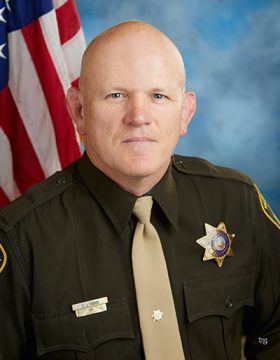
I will present a series of lessons learned from participating in and representing officers on Use of Force Boards following OIS. During my time on the full-time Executive Board, my primary assignment has been to represent officers in use-of-force cases, with an emphasis on officer-involved shootings (OIS). From that service, I have seen some patterns in behavior that have led to challenging outcomes for the officers involved.
In this article, I will focus on driving/responding to these events. The most important lesson is to simply SLOW DOWN. Slowing down in the car is vital, but it extends to other areas as well.
Slow Down In These Areas:
- On your way to the event
- Approaching the actual call and linking up with your team
- Taking a moment to pre-plan – on the radio, on approach, and making a quick plan as the team walks up
- While addressing a suspect and prior to using force, especially if the suspect is not a direct threat to officers
Slow Down While Driving
In after-action reviews, we often see officers drive too fast. We see this in two areas: officers driving more than 20 mph above the posted speed limit and officers failing to clear intersections per policy. You are expected to obey policy and training for code runs on these critical calls.
Consider these reasons to drive slower: If you do not arrive, you cannot assist. If you crash, you divert resources from the event to your accident scene. If you have an accident, you may not only be injured but also face disciplinary action (written reprimand, suspension, or even termination) and criminal or civil liability. Occasionally, we have had officers killed responding to events. The calls officers lost their lives responding to here at LVMPD turned out to be much less serious than they had thought from the details of the initial call for service.
The details on the calls we roll on are often wrong. That call you are driving dangerously to because the threat level is so high often proves to be significantly different. Driving too fast to calls can make you so focused on driving that you miss important updates or details while enroute to the call.
In several years of reviewing OIS events for the department and representing officers, I cannot think of a single event in which officers violated department training and policy in responding to the event with regard to their driving, and it worked to their benefit. This is always a negative finding for the officer.
Driving too fast responding to these events is ALWAYS a negative finding. Your driving can affect how your entire event gets viewed after the fact.
For now, slow down, and remember – the same people you are driving too fast to assist will likely be the people who complain post-event to IAB, advocate you should be fired and arrested, and eventually sue you. Slow down.